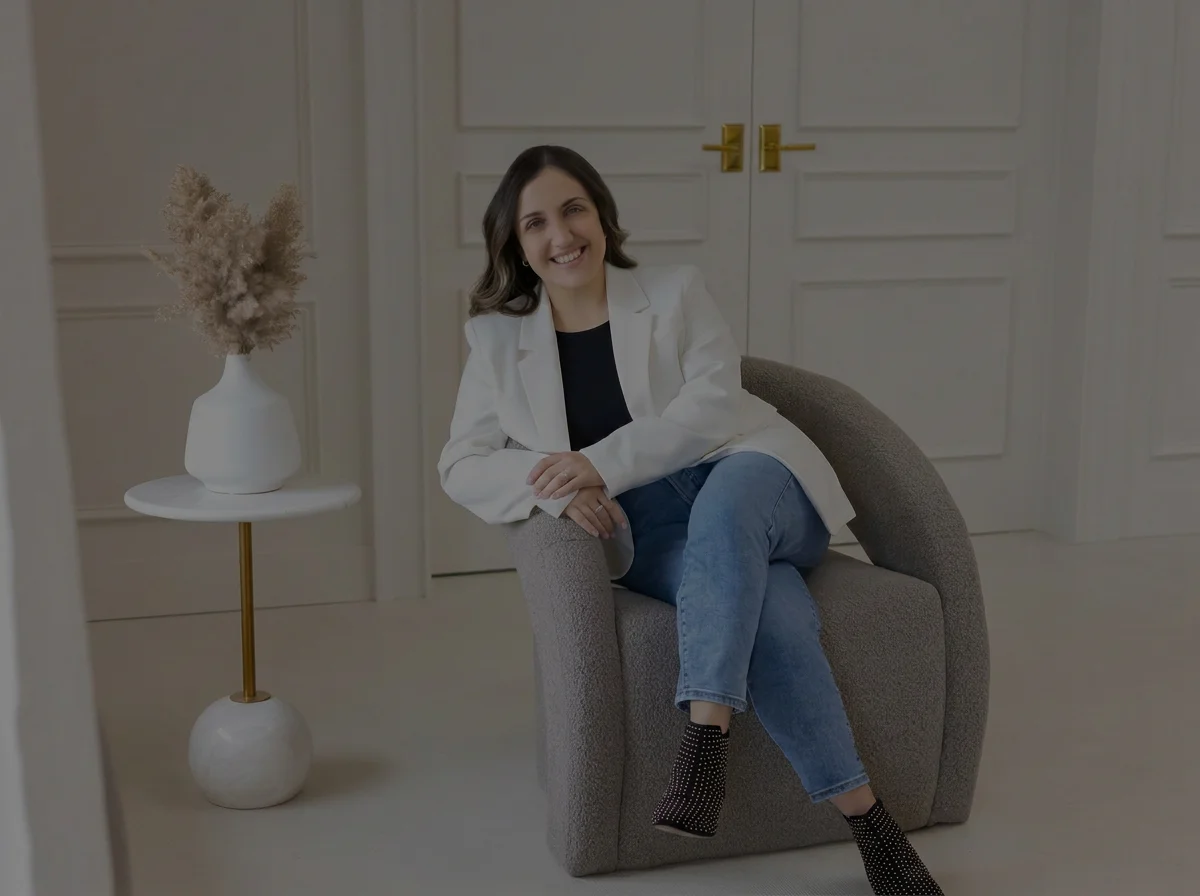
What it's actually like to work together
A long first appointment, a plan with reasons attached to it, and a shorter list than the one you walked in with.

This is probably you if
You've been told your labs are normal, and you still don't feel normal.
You're taking several supplements and you're no longer sure what any of them are for.
You've had good care from several people, and nobody has put the whole picture together.
You're trying to conceive, or you're pregnant, or you're postpartum and nobody has asked how you are.
Something cyclical is affecting your life and it's been treated as anxiety, or as just part of getting older.
You don't want another protocol. You want to understand what's happening and know what to do about it.
You'd like someone who will talk with your other providers instead of around them.
How I work
-
Understand
We start with a long appointment, 60 to 75 minutes. I take a full history and I ask a lot of questions, including ones you may not expect to be relevant. Bring your results, your imaging, your medications, your supplements, and the notes you've been keeping. I will read them.
This part matters more than people expect. If you've had the experience of not being believed, or of being handed an answer before anyone heard the whole thing, this appointment is deliberately the opposite of that.
-
Identify
Then I look for patterns rather than a single diagnosis. Your cycle, your thyroid, your metabolic health, your iron, your sleep, your nutrition and your stress all influence each other, and reading them separately is how things get missed.
I'm also working out which questions are actually worth answering. The goal isn't to investigate everything at once. It's to find what will tell us the most.
-
Strategize
We prioritise. This is where I think my practice differs most from what people expect: you will not leave with twenty changes and a cupboard of supplements. We pick the few things most likely to make a real difference, and we start there.
Every recommendation comes with the reason behind it and what the evidence actually supports, so you know why something is on the list and what it's meant to do.
-
Partner
Then we adjust. We usually meet again about four to six weeks in, after bloodwork, and go through your results properly. After that, roughly three months, and from there it depends on what you're working toward.
Alongside that, I coordinate with the rest of your team. I work regularly with family physicians, fertility specialists, obstetricians, midwives, gynaecologists, endocrinologists, psychotherapists and pelvic floor physiotherapists. My goal has never been to replace anyone's care. It's to strengthen it.
I don't practice from protocols. No two people arrive with the same story, so no two plans should look the same. What stays consistent is the order I think in.
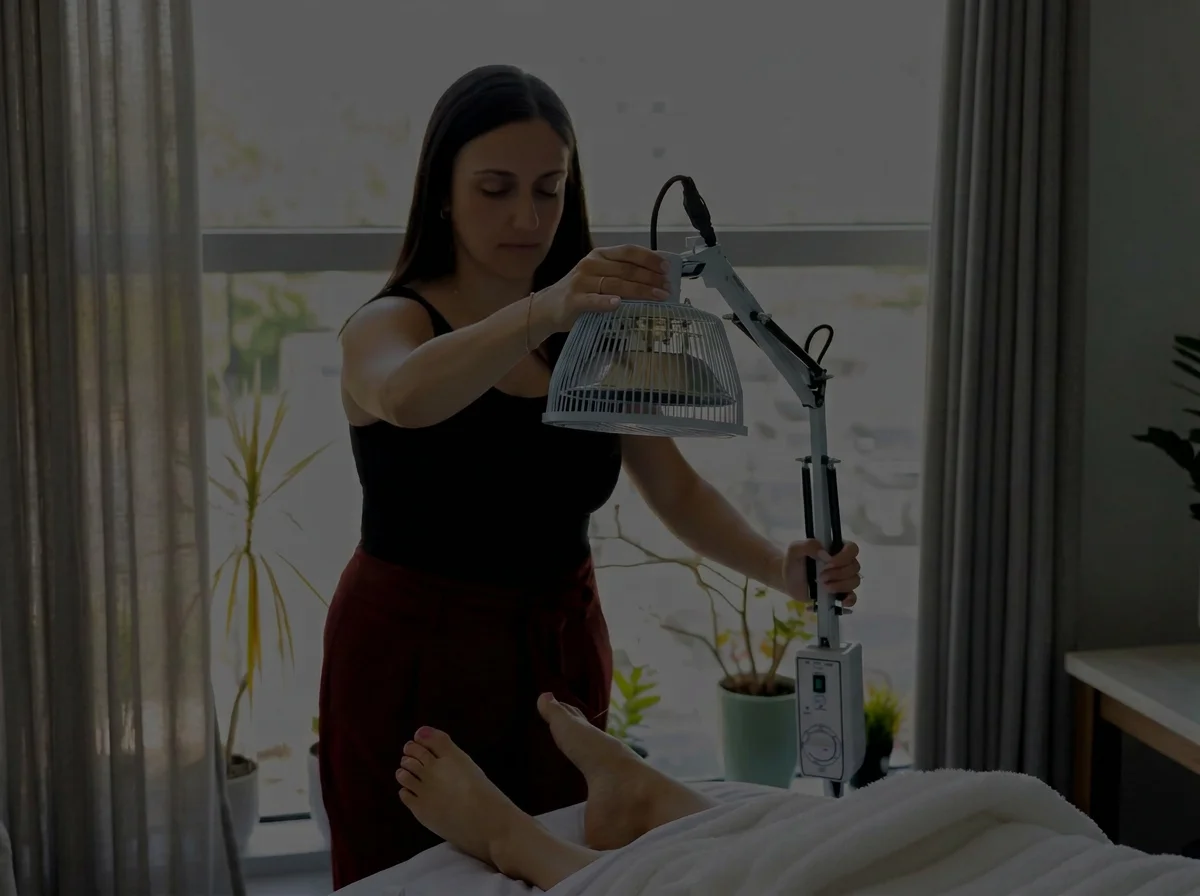
I see patients in person in Port Credit and in Guelph, and virtually anywhere in Ontario. I offer acupuncture, including fertility acupuncture & bloodwork is ordered and interpreted as part of your care when it's clinically useful
Where you are right now
*
Where you are right now *
The way I work is the same wherever you are. What changes is what we look at first.
Fertility Care
Trying to conceive, preparing for IVF or IUI, or getting your health in order before you start.

PCOS/PMOS, PMDD
premenstrual symptoms, irregular or heavy periods, thyroid concerns.

Pregnancy & Postpartum Care
Support through pregnancy, and the recovery afterward that most people stop asking about at six weeks.

Perimenopause & Menopause
Cycle changes, sleep, mood, and using this window to protect the decades after it.

I Don't Work in a Silo
Most of my patients are seeing someone else too, and that's how it should be. With your consent I'll review what your other providers have recommended so that anything I suggest fits your diagnosis, your medications, your treatment stage and your clinic's protocol. This matters most during IUI and IVF cycles, where the timing and safety of supplements, herbs and acupuncture genuinely has to be considered rather than assumed.
Family physicians. Fertility specialists and reproductive endocrinologists. Obstetricians and midwives. Gynaecologists. Endocrinologists. Psychotherapists. Pelvic floor physiotherapists.
If your care is currently spread across several people who have never spoken to each other, that's usually one of the first things worth fixing.
Questions People Ask Before Booking
-
Not by OHIP, but naturopathic care is covered by most extended health benefit plans. Check what your plan allows per year, and I'll provide receipts you can submit.
-
Yes, for patients anywhere in Ontario, where it's clinically appropriate. In person, I'm in Port Credit and in Guelph.
-
Honestly, it's usually not that the previous advice was wrong. It's that it wasn't prioritised for you, or there was too much of it at once. I'd rather find the two or three things most likely to matter and help you actually keep them going, than hand you a longer list you'll abandon in three weeks. Consistency does more than perfection here.
-
It depends on what we're working on, and I won't give you a number I can't stand behind. Some things shift within a cycle or two. Some take longer. What I can tell you is that after your first follow-up you should have a clear picture of what's going on and what we're doing about it, which is often the part that's been missing.
-
No, and please don't. I work alongside your family doctor, your fertility clinic and anyone else on your team. Naturopathic care here is complementary to medical assessment and treatment, not a replacement for it.
-
No. Bring whatever you already have and I'll review it. If more testing would help answer something specific, we'll talk about it at your appointment.